
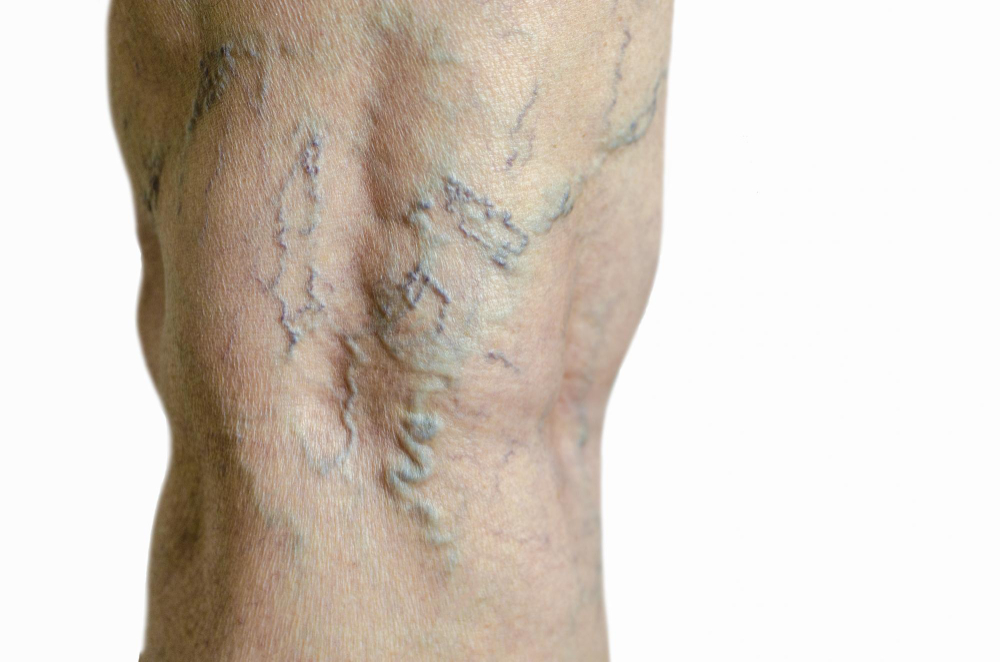
What Is Varicose Vein Laser Ablation?
Varicose vein laser ablation is a minimally invasive treatment for varicose veins. Doctors use focused laser energy to close off problem veins. As a result, blood flows through healthier veins. This treatment is also called endovenous laser therapy or laser therapy for varicose veins. Many people choose this option because it is less painful than surgery and has a shorter recovery time.
Symptoms and Causes of Varicose Veins
Varicose veins are swollen, twisted veins that often appear on the legs. They can cause discomfort and may look blue or purple. Common symptoms include:
Several factors can cause varicose veins. For example, weak or damaged vein walls and valves can lead to this problem. Other causes include:
How Laser Ablation Works: Procedure Overview
Laser ablation for varicose veins is a simple outpatient procedure. First, your doctor numbs the area with local anesthesia. Then, a thin tube called a catheter is inserted into the affected vein. Next, a tiny laser fiber goes through the catheter. The doctor turns on the laser, which heats the vein from the inside. Because of this heat, the vein closes and eventually fades away. The whole process usually takes less than an hour. Most people can go home the same day.
Benefits and Risks of Laser Ablation
Laser ablation offers many benefits for people with varicose veins. Some of the main advantages include:
However, like any medical procedure, there are some risks. These may include:
According to the CDC and peer-reviewed studies, serious side effects are rare. Still, it is important to discuss all risks with your doctor before treatment.
Recovery Process and Aftercare Tips
After laser ablation, most people return to normal activities within a few days. However, you may need to wear compression stockings for one to two weeks. These help reduce swelling and improve healing. To speed up recovery after varicose vein laser ablation, follow these tips:
If you notice severe pain, swelling, or other unusual symptoms, contact your doctor right away.
Prevention and Lifestyle Guidance
While laser ablation treats existing varicose veins, you can take steps to prevent new ones. For example, try these lifestyle tips:
These habits can help lower your risk of future vein problems.
When to Consult a Specialist
It is important to see a vein specialist if you have symptoms of varicose veins. For instance, seek help if you notice pain, swelling, or skin changes. Early treatment can prevent complications. Additionally, a specialist can explain if varicose vein laser ablation is right for you. They will review your health and discuss the best treatment options.
In summary, varicose vein laser ablation is a safe and effective way to treat problem veins. Consult a specialist at New Life Speciality Hospital for personalized guidance on varicose vein laser ablation.