
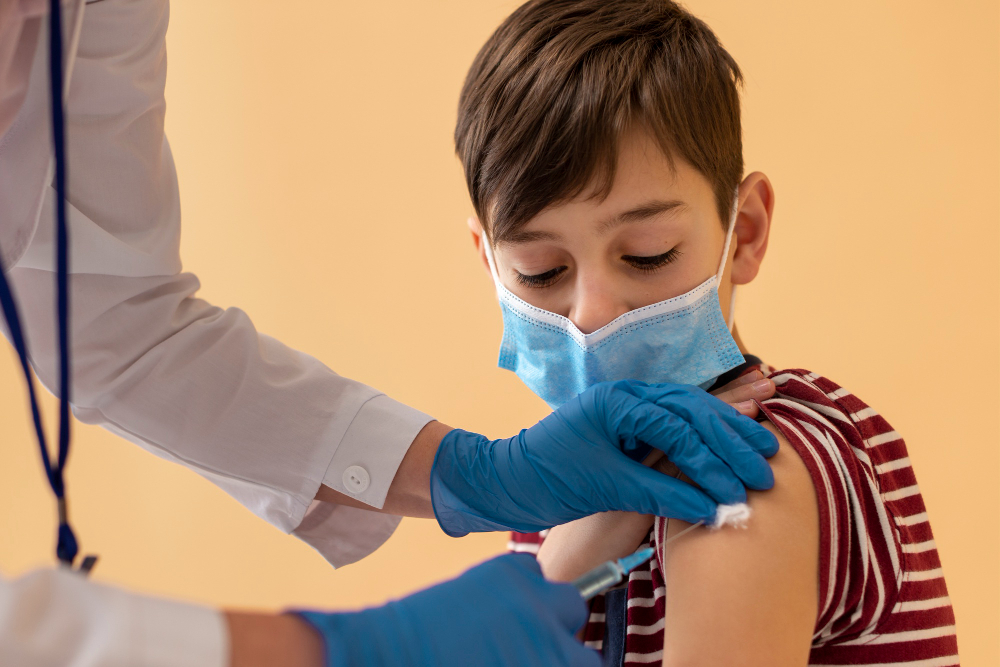
What is Vaccination in Children?
Vaccination in children means giving special shots to protect them from serious diseases. These shots help the body fight off germs before they can make your child sick. In fact, vaccines are a key part of childhood health. They are given at certain ages to keep children safe as they grow. The process of giving vaccines is called immunization. Most countries, including the United States, follow a childhood immunization schedule to make sure kids get the right vaccines at the right time.
Why is Vaccination Important for Children?
Vaccination in children saves lives. It protects kids from diseases like measles, polio, and whooping cough. These illnesses can cause serious problems or even death. Also, when most children get vaccinated, diseases cannot spread easily. This protects babies, older people, and those who cannot get vaccines. According to the World Health Organization (WHO), vaccines prevent millions of deaths each year. Therefore, keeping up with your child’s vaccines is one of the best ways to keep them healthy.
Recommended Vaccination Schedule for Children
Doctors follow a set plan called the childhood immunization schedule. This schedule tells you when your child should get each vaccine. The Centers for Disease Control and Prevention (CDC) updates this guide every year. Following the schedule gives your child the best protection. Here is a simple outline:
Some vaccines may be given at different times based on your country or your child’s health. Always check with your doctor for the latest pediatric vaccination guide.
Common Vaccines for Children
Many vaccines are part of the routine schedule. Each one protects against a different disease. Here are some common childhood vaccines:
Your doctor may suggest other vaccines based on your child’s needs or travel plans.
Safety and Side Effects of Childhood Vaccines
Many parents worry about vaccine safety for kids. However, vaccines are tested many times before they are given to children. The CDC and WHO both say vaccines are very safe. Most side effects are mild and go away quickly. For example, your child may have a sore arm, mild fever, or feel tired for a day or two. Serious side effects are very rare. If you notice anything unusual after a vaccine, contact your doctor right away.
Myths and Facts about Childhood Vaccination
There are many myths about vaccination in children. Let’s look at some facts:
Always get information from trusted sources like your doctor or the CDC.
Tips for Parents on Vaccination
Staying on track with your child’s vaccines is important. Here are some helpful tips:
Frequently Asked Questions (FAQs)
Consult your pediatrician at New Life Speciality Hospital for personalized vaccination advice for your child.