
What Are Sports Injuries?
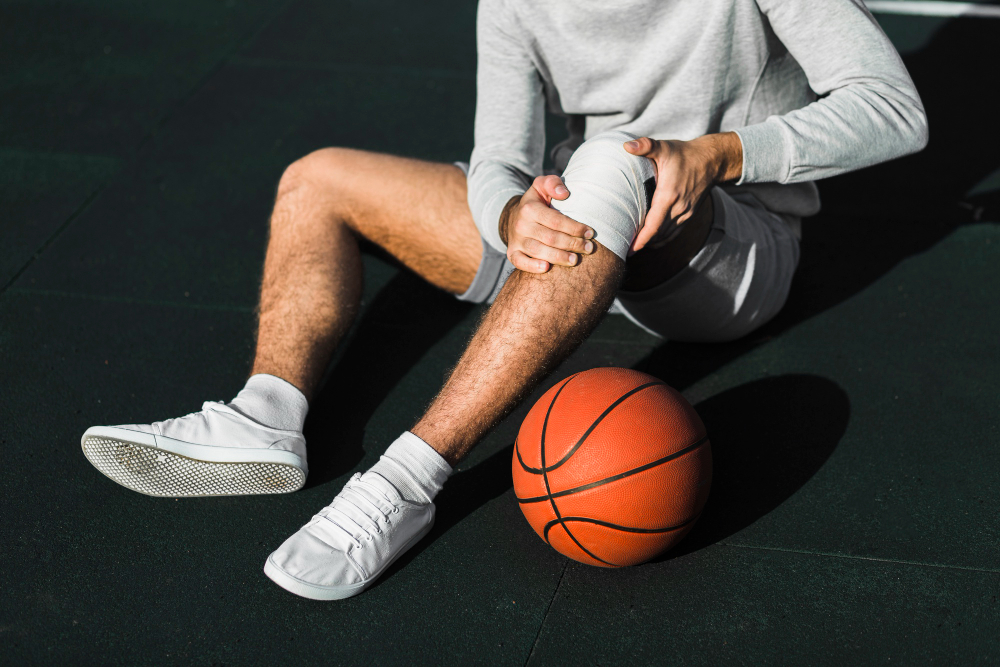
Sports injuries are injuries that happen during exercise or while playing sports. These injuries can affect anyone, from children to adults. In fact, common sports injuries include sprains, strains, and fractures. Because sports are popular in many cities, knowing about sports injuries is important for everyone. Whether you play soccer, run, or enjoy swimming, you may face a risk of injury. However, with the right care and knowledge, you can recover well. This guide will help you understand sports injuries, sports injury treatment, and ways of preventing sports injuries.
Common Symptoms of Sports Injuries
Sports injuries can cause many symptoms. Sometimes, the signs appear right away. Other times, they develop slowly. For example, you may feel pain after a fall or twist. But you might also notice swelling or bruising later. Here are some common symptoms to watch for:
If you notice these symptoms, it is important to rest and seek help if needed. Early care can prevent further harm.
Causes and Risk Factors
Sports injuries can happen for many reasons. Often, they occur when you use a body part too much or move in the wrong way. Sometimes, not warming up before activity can lead to injury. Here are some common causes and risk factors:
Additionally, children and teens may be at higher risk because their bodies are still growing. According to the CDC, proper training and equipment can lower the risk of injury.
Diagnosis of Sports Injuries
Doctors use several methods to diagnose sports injuries. First, they will ask about your symptoms and how the injury happened. Next, they may check your movement and look for swelling or bruising. Sometimes, tests like X-rays, MRI, or ultrasound help find the exact problem. These tests show if there are broken bones, torn ligaments, or other damage. Early diagnosis is important because it helps guide the best treatment. If you have ongoing pain or swelling, you should see a doctor soon.
Treatment Options for Sports Injuries
Treatment depends on the type and severity of the injury. In many cases, simple care at home can help. However, some injuries need medical attention. Here are common treatment options:
According to the World Health Organization, following a doctor’s advice can speed up recovery and prevent long-term problems.
Prevention Tips and Lifestyle Guidance
Preventing sports injuries is possible with the right steps. For example, warming up before activity helps prepare your muscles. In addition, using proper gear and following safety rules can lower your risk. Here are some helpful tips:
By following these steps, you can enjoy sports safely and reduce your risk of injury.
When to See an Orthopedic Specialist
Sometimes, sports injuries need expert care. You should see an orthopedic specialist if:
Early treatment can prevent lasting problems. In many cities, orthopedic clinics offer expert care for sports injuries. Do not wait if you are unsure about your injury.
For personalized advice on sports injuries, consult New Life Speciality Hospital. Your health and safety come first.