
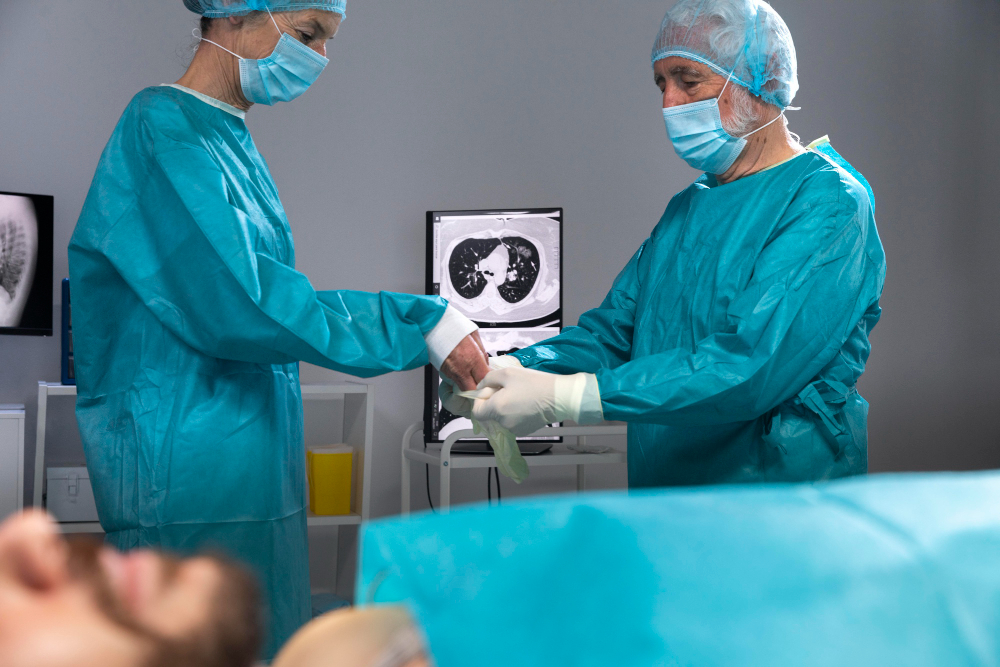
What is Laparoscopic Hernia Repair?
Laparoscopic hernia repair is a type of minimally invasive hernia surgery. In this procedure, doctors use small cuts and a camera to fix the hernia. Because of this, it is often called keyhole surgery. Many people choose this option because it usually means less pain and a quicker recovery. Laparoscopic surgery benefits include smaller scars and a lower risk of infection. This method is now common for treating hernias in both men and women.
Common Symptoms and Causes of Hernias
Hernias happen when an organ or tissue pushes through a weak spot in the muscle. Usually, you may notice a bulge or swelling in your belly or groin. Sometimes, you might feel pain, especially when lifting or coughing. However, some hernias do not cause pain at first. Common causes include:
According to the World Health Organization (WHO), hernias are a frequent health issue worldwide. Early treatment can help prevent complications.
How is Laparoscopic Hernia Repair Performed?
First, your surgeon will give you anesthesia, so you do not feel pain. Next, they make a few small cuts in your belly. Through these cuts, they insert a thin tube with a camera. This camera helps the surgeon see inside your body. Then, they use special tools to push the bulging tissue back into place. After that, they place a mesh over the weak spot to make it stronger. Finally, the surgeon closes the cuts with stitches or glue. Most people go home the same day or the next day.
Benefits of Laparoscopic Hernia Repair
Laparoscopic hernia repair offers many advantages over open surgery. For example, you may experience:
Additionally, studies show that people who have minimally invasive hernia surgery often recover more quickly than those who have open surgery (CDC).
Recovery Process and Aftercare Tips
After laparoscopic hernia repair, most people recover within one to two weeks. However, everyone heals at their own pace. To help your recovery, follow these tips:
If you notice redness, swelling, or fever, call your doctor right away. These could be signs of infection.
Prevention and Lifestyle Guidance
While not all hernias can be prevented, you can lower your risk. For instance, you can:
Even though these steps help, some people may still develop hernias due to genetics or other factors.
Frequently Asked Questions
“For personalized advice on laparoscopic hernia repair, consult a qualified surgeon at New Life Speciality Hospital.”