
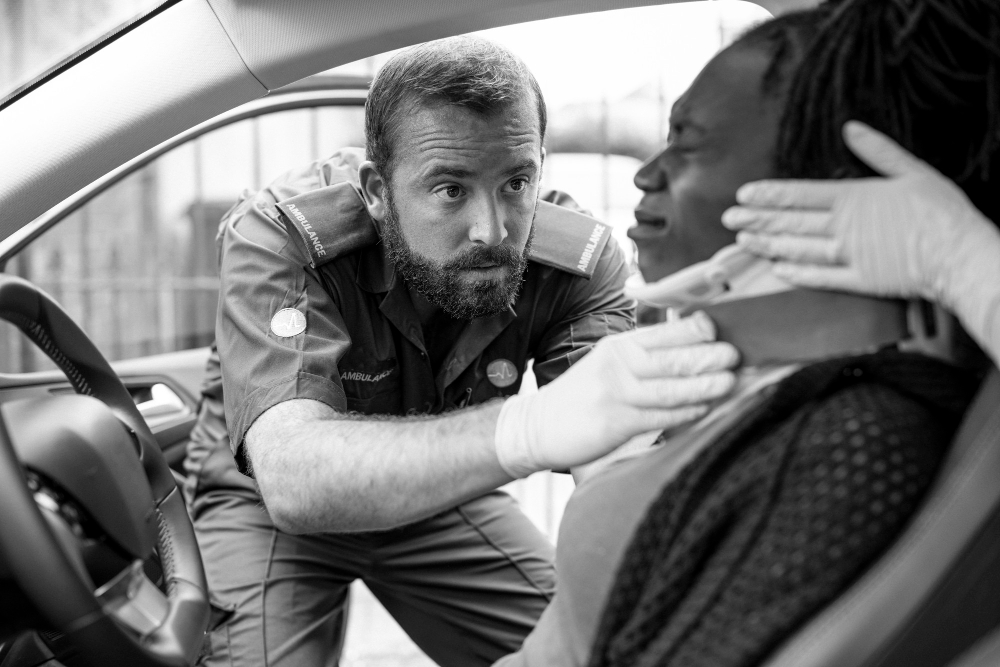
What Are Road Traffic Accidents?
Road traffic accidents happen when vehicles like cars, bikes, or trucks crash on roads. These accidents can involve drivers, passengers, cyclists, or even people walking nearby. According to the World Health Organization (WHO), millions of people are hurt or killed in road traffic accidents every year. Because these accidents can affect anyone, it is important for everyone to understand their causes, symptoms, and how to respond. Knowing what to do can save lives and prevent serious injuries.
Common Causes of Road Traffic Accidents
Many factors can lead to road traffic accidents. However, most accidents happen because of human error or unsafe road conditions. Understanding these causes can help you avoid danger.
For example, even a small distraction can cause a serious crash. Therefore, always stay alert on the road.
Typical Injuries and Symptoms
Road traffic accidents can cause many types of injuries. Some are minor, but others can be life-threatening. Recognizing symptoms early can help you get the right care.
Sometimes, symptoms may not appear right away. So, it is wise to watch for changes in how you feel after an accident.
Immediate Emergency Response Steps
Quick action can save lives after a road traffic accident. If you witness or are involved in an accident, follow these steps:
However, do not move someone with neck or back pain unless there is immediate danger, as this can make injuries worse.
Diagnosis and Medical Evaluation
After a road traffic accident, doctors will check for injuries. They may ask about how the accident happened and what symptoms you have. Often, they will do a physical exam. Sometimes, they may order X-rays, CT scans, or blood tests to look for hidden injuries. Early diagnosis helps prevent complications. Therefore, always seek medical care after an accident, even if you feel fine.
Treatment Options
Treatment depends on the type and severity of injuries. For minor injuries, doctors may clean wounds and give pain medicine. For more serious injuries, you might need:
In every case, following your doctor’s advice is important for a full recovery.
Prevention Tips and Safe Practices
Although road traffic accidents are common, many can be prevented. Here are some tips to help you stay safe:
By following these safe practices, you can help prevent road injuries and protect yourself and others.
When to Seek Emergency Help
Sometimes, injuries from road traffic accidents are not obvious right away. However, you should seek emergency help if you notice:
If in doubt, it is always better to call for help. Quick action can save lives and prevent lasting harm.
In summary, road traffic accidents can happen to anyone. But with the right knowledge, you can help prevent them and respond quickly if they occur. For personalized advice or if you are ever in an accident, consult New Life Speciality Hospital or call emergency services right away.